
In the autumn of 2026, Shanghai hosted the 9th China International Import Expo. The flagship event attracted thousands of global enterprises, with both the exhibition scale and the number of participating countries—exceeding 100—reaching historic highs. Notably, global agricultural trade is accelerating its transition toward digital traceability and carbon footprint certification, an emerging industry trend prominently showcased at this year's expo. Meanwhile, customs statistics indicate that the scale of China's agricultural imports continues to expand, accompanied by an increasingly optimized import structure.
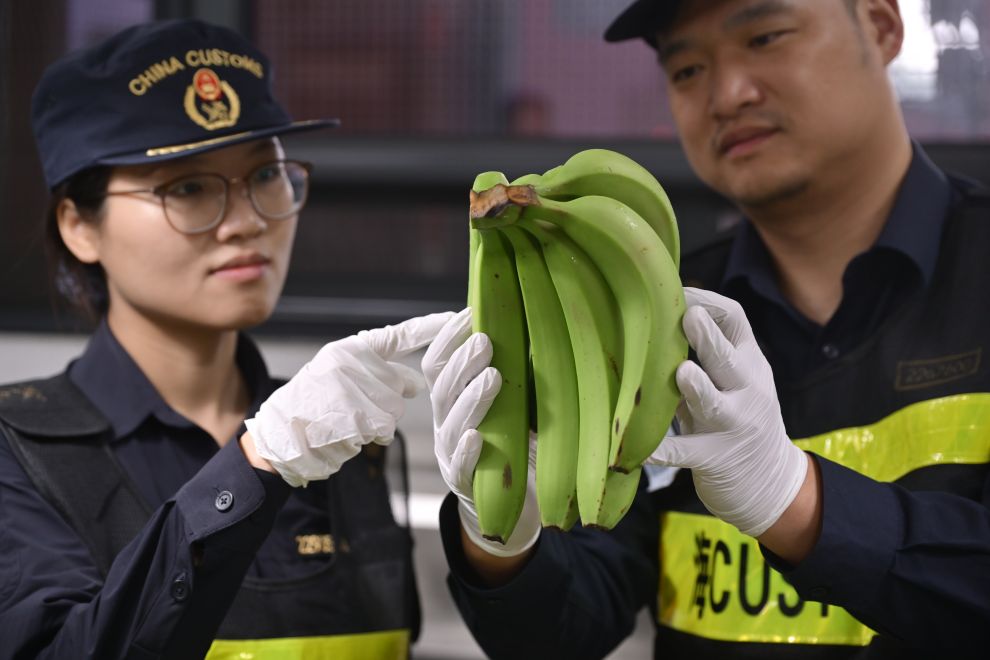
In the run-up to and during the opening of the expo, massive volumes of overseas agricultural products were shipped into Shanghai via dual maritime and air freight channels. Batches of Peruvian bananas and other fruits were flown directly to the city via dedicated cold-chain air freight, immediately utilized for booth displays and tasting sessions. Meanwhile, a diverse array of products, including Southeast Asian fresh fruits, South American beef, and African coffee beans, were showcased side by side, painting a comprehensive picture of the global culinary landscape.
Envoys and senior agricultural officials from multiple countries attended in person to endorse their national specialties. Highlighting the potential of the Chinese market, a South American agricultural exhibitor remarked, "The CIIE is the premier platform for us to engage directly with China's massive consumer base, and the cooperation opportunities here are truly exciting." Such high-frequency face-to-face interactions have effectively driven intended transaction values at the agricultural exhibition zone to record-breaking levels, while substantially boosting the export volume of overseas agricultural products to China.
Beyond traditional trade, cutting-edge innovations such as low-carbon packaging solutions, smart agricultural machinery and equipment, and organic farming models were also a core focus of this year's expo. Serving as a vital hub for the deep integration of global agricultural supply chains, the event has not only enriched domestic consumer supply but also provided solid support for building an open global agricultural trade and economic system.