
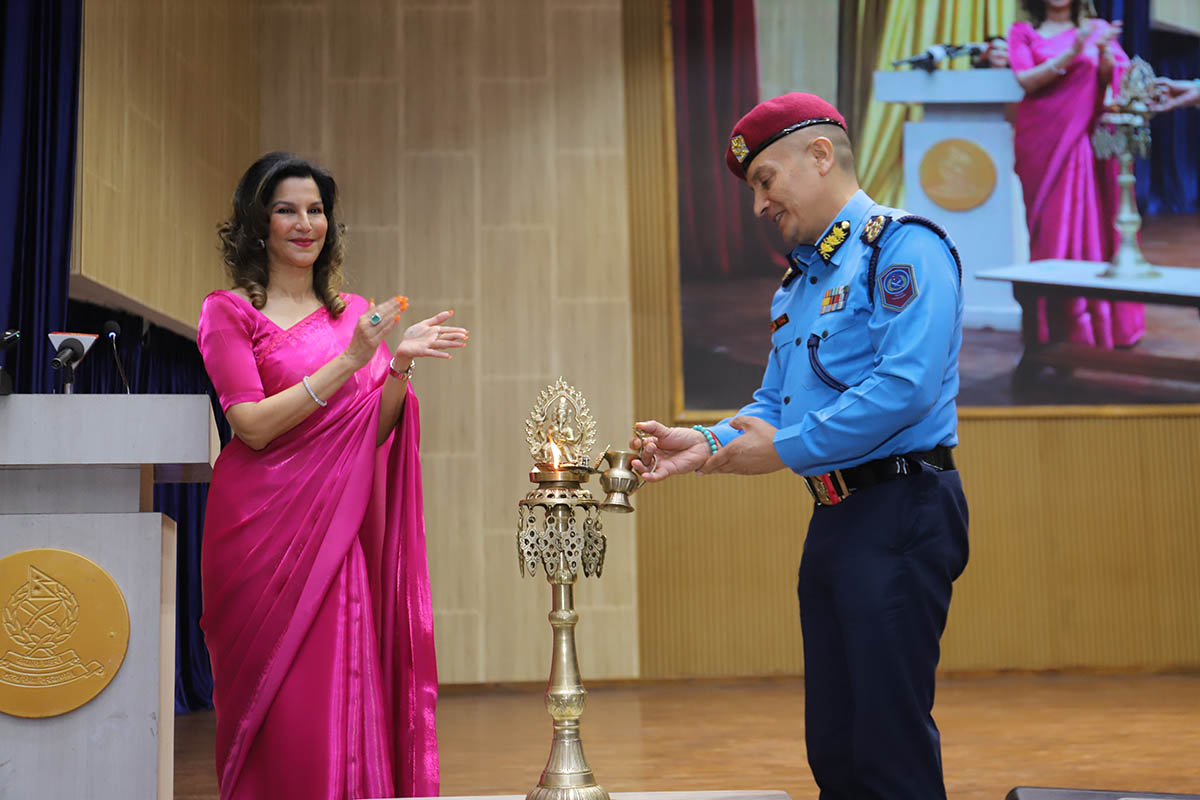
On August 12, 2026, the NAIMA Nepal Mobility Expo 2026, hosted by the Nepal Automobile Importers and Manufacturers Association (NAIMA), was officially inaugurated at the Blue Pavilion Auditorium at the Nepal Police Club in Kathmandu. As a premier event in Nepal's mobility sector, the expo will run through August 16. On its opening day alone, the event drew over 29,000 visitors, with organizers projecting a total attendance of approximately 150,000 trade and public visitors over the course of the exhibition. Highlighting the opening day, major exhibiting brands unveiled 48 new vehicle models, fully demonstrating the vitality and potential of Nepal's automobile and mobility market.
The opening ceremony was attended by numerous high-ranking government officials, industry leaders, and diplomatic envoys, who delivered keynote addresses. In her speech, NAIMA President Ritu Singh Vaidya noted that the expo is not merely a transactional marketplace for buying and selling vehicles; rather, it serves as a collaborative platform that unites the entire mobility ecosystem. She emphasized that frequent policy changes have created significant uncertainty for entrepreneurs, posing a severe challenge to attracting new investments. To this end, she urged the government to engage in thorough consultations with the private sector and relevant stakeholders before modifying any related policies.
Speaking from the perspective of public safety, Inspector General of the Nepal Police Dan Bahadur Karki expressed his strong expectations for the industry. He stated that automotive professionals should not limit their focus solely to vehicle sales, but must actively fulfill their corporate social responsibilities regarding road safety. He particularly stressed that all vehicle brands must prioritize after-sales service as a core strategic imperative to safeguard consumer rights and ensure road safety.
Anjan Shrestha, President of the Federation of Nepalese Chambers of Commerce and Industry (FNCCI), offered insightful perspectives on the macro-policy environment for Nepal's automotive industry. He noted that the government has long treated the automotive sector merely as a source of fiscal revenue, neglecting its essential nature as a societal necessity. He pointed out that Nepal's automotive tariff rates are currently among the highest in the world, and advised the government to maintain policy consistency and continuity for electric vehicles. He made it clear that the private sector is ready to make large-scale investments, provided the government creates a more favorable and enabling business environment.
Birendra Raj Pandey, President of the Confederation of Nepalese Industries (CNI), also underscored the strategic importance of the automotive sector. He noted that the automotive sector is one of the major contributors to the government's fiscal revenue and thus deserves high policy priority. Expressing strong confidence in investments and sustainable development within the transport sector, he believes this will significantly drive national economic growth.
Kamlesh Agrawal, President of the Nepal Chamber of Commerce, analyzed the value of the mobility industry from a broader macroeconomic perspective. Backed by comprehensive data, he noted that the mobility sector contributes approximately 7% to Nepal's Gross Domestic Product (GDP). He further explained that mobility has long transcended the traditional scope of transportation, becoming deeply integrated with key industries such as banking, insurance, tourism, construction, and information technology. Therefore, it should be regarded by the state as a core engine for driving economic growth.
In terms of exhibits and event highlights, the expo has seen extensive participation from a large number of domestic and international automobile manufacturers and importers. The core attractions include several new brands making their debut in the Nepalese market, as well as the showcase of numerous new energy vehicles, covering new electric vehicles, electric scooters, and electric commercial vehicles, highlighting the industry's clear trend toward green mobility. Additionally, multiple banks, financial institutions, and insurance companies have set up dedicated service zones at the venue, offering exclusive promotional offers and subsidized loan schemes to car buyers, greatly stimulating on-site transaction activity.
Beyond the rich exhibits, the expo is hosting a series of high-profile professional forums and side events. On the opening day, a panel discussion titled "Investment and Foreign Direct Investment (FDI): Mobilizing Fuel for Economic Growth" was held. Moderated by former banker Anil Keshary Shah, the session featured distinguished panelists including Dr. Satyendra Timilsina, Executive Director and Head of the Economic Research Department at Nepal Rastra Bank; Tim Gocher, Chairman of the Dolma Foundation; Manoj Gyawali, CEO of Nabil Bank; and NAIMA President Vaidya, who engaged in an in-depth dialogue on industry investment and attracting foreign capital. In addition, the learning sessions held on Tuesday alone attracted over 300 participants. Grandee International Hospital also conducted on-site professional demonstrations on Basic Life Support and immediate first-aid care following road traffic accidents, further enriching the social value of the expo.
Overall, the NAIMA Nepal Mobility Expo 2026 not only provides Nepalese consumers with a comprehensive showcase to explore the latest mobility technologies and products, but also serves as a premier platform for the government, enterprises, financial institutions, and academia to discuss the future of the industry and build consensus on development. As the expo continues, it is expected to inject new momentum into the mobility ecosystem in Nepal and the broader South Asian region.